About Digital Substation Devices
Features
- Primary process variables such as Current and Voltage from CT, VT/PT are converted to digital format and multiplexed into fibre optical based links which is connected to several IEDs through Fibre optic cable, on Process bus IEC61850-9-2LE protocol.
- Process bus enabled Merging units and Numerical protection relays supports HSR/PRP communication protocol as per IEC 62439, integrated with PTP for Time synchronization
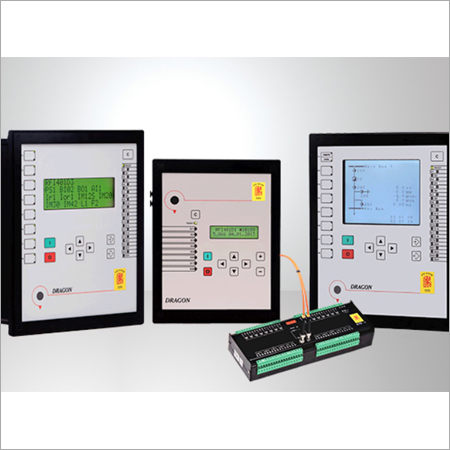
- At Bay level, all required Numerical protection relays are Process bus enabled.
- Protection device ensures auto switchover during failure of Merging unit to healthy merging unit;
- 100% operability in case of failure of device or connection.
- Drastic reduction towards cost of copper cable and civil work.
Comprehensive Protocol SupportThese substation devices are compatible with IEC 61850, Modbus, and DNP3 communication protocols, ensuring seamless integration into various grid and automation architectures. This versatility supports interoperability between legacy and modern equipment for efficient power management.
Robust Event Logging and Fault DetectionWith event logging for up to 10,000 events and advanced fault detection features, operators can monitor system health and quickly address anomalies. Real-time diagnostics help reduce downtime, making maintenance more predictable and less disruptive.
Reliable Design for Harsh ConditionsEngineered with high-grade ABS and metal, the devices withstand high humidity (95% RH), frequent vibrations (IEC 60068-2-6), temperature fluctuations (-10C to +55C), and power surges. The IP54 rating guarantees durable protection in challenging industrial environments.
FAQs of Digital Substation Devices:
Q: How do these devices facilitate remote monitoring and control in substations?
A: These substation devices feature Ethernet, USB, and Serial interfaces, allowing integration with supervisory systems for real-time remote monitoring and control. Built-in support for IEC 61850, Modbus, and DNP3 protocols ensures data can be accessed and managed from a centralized location.
Q: What advantages does the event logging capacity of 10,000 events offer users?
A: The large event logging capacity enables continuous recording and retrieval of operational data, fault histories, and activity logs. This helps maintenance teams conduct root-cause analysis and improves regulatory compliance by keeping a reliable record of system events.
Q: When should firmware upgrades be conducted, and what is the process?
A: Firmware upgrades should be done during scheduled maintenance or when new features and security enhancements are released. Upgrades can be performed remotely or locally via Ethernet or USB, following manufacturer-provided instructions for minimal disruption to operations.
Q: Where are these Digital Substation Devices typically installed, and what is their mounting method?
A: These devices are designed for panel mounting in power distribution centers, substations, and control rooms. The standard dimensions and industrial-grade connectors ensure compatibility with existing electrical cabinets and infrastructure.
Q: What operational benefits does the combination of vibration resistance and high IP54 rating provide?
A: Vibration resistance per IEC 60068-2-6 and an IP54 rating protect against mechanical shocks, dust, and splashes, optimizing operational reliability in demanding environments found in Indian substations and industrial facilities.
Q: How does the multi-channel data acquisition capability enhance substation performance?
A: Multi-channel data acquisition enables simultaneous monitoring of multiple parameters or feeder sections, improving situational awareness, timely fault detection, and efficient resource allocation for enhanced grid reliability.
Q: What is the main benefit of built-in surge and overheating protection features?
A: Built-in surge and overheating protection extend device lifespan and ensure continuity of service by automatically preventing damage from voltage spikes and thermal overloads, a crucial safeguard for critical power infrastructure.


 Send Inquiry



 Send Email
 Send Inquiry

 Send Inquiry

 Send Inquiry
 Send SMS
 Call Me Free


