About Pressed Steel Radiators (PSR)
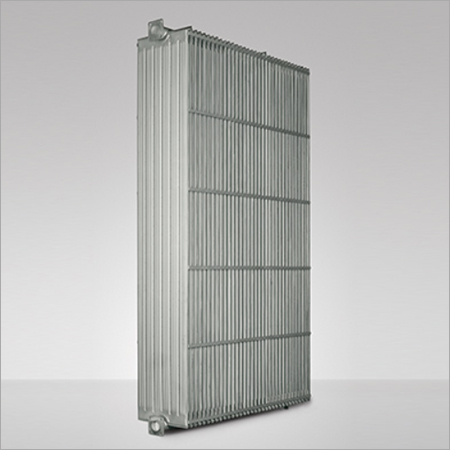
Pressed Steel Radiators (PSR) is a sturdy and robust heat exchanging unit that is designed for the cooling of transformers to increase the service life by preventing damages due to excessive heat. Top-grade alloyed steel is used for the fabrication of this unit that gives excellent protection against extreme industrial conditions that ultimately result in longer life. Pressed Steel Radiators (PSR) offered by us is available in various sizes that can be customized according to customer demands.
Technical details
- 300mm, 355 mm and 520 mm width
- 1000 mm to 4500 mm center distance
- Hot dipped galvanized on request
Product details
| Center distance | 800 mm to 3500 mm |
| Type | Standard |
| Application | Automobile |
| Width | 226 mm, 300 mm and 520 mm |
| Standards | IEEMA 9, Din 42559, BSEN 50216 |
Epoxy powder coating and hot dip galvanization provide exceptional protection against corrosion, extending the operational life of PSRs even in demanding environments. Paint thickness between 7090 microns enhances resistance to harsh industrial conditions, maintaining performance and aesthetics over time.
Customizable Design to Suit Every NeedPSRs offer flexibility with corrugated or pressed fin types and the option to customize the number of fins to match specific heat dissipation requirements. Flanged or bolted mounting and standard-sized inlet and outlet connections ensure seamless integration with existing transformer systems.
Optimized Performance for Industrial ApplicationsEngineered for high efficiency, PSRs support both oil-cooled and water-cooled systems and operate effectively at temperatures up to 120C. Their low-maintenance design, sturdy pressed steel construction, and compliance with international standards make them highly reliable for heavy-duty industrial and distribution transformer applications.
FAQs of Pressed Steel Radiators (PSR):
Q: How are pressed steel radiators installed in transformer systems?
A: Pressed steel radiators are mounted using either flanged or bolted connections, designed for secure integration with power, distribution, or industrial transformers. The inlet and outlet connections are standardized, making installation efficient for both new and retrofit projects.
Q: What surface finishes are available, and how do they enhance the products lifespan?
A: PSRs feature epoxy powder coating or hot dip galvanized finishes, both providing high resistance to corrosion. These coatings safeguard the radiator from harsh environmental and chemical exposure, ensuring a prolonged service life with minimal maintenance needs.
Q: When should the number of fins be customized, and what factors determine this?
A: The number of fins is tailored according to specific heat dissipation requirements, which depend on the transformers size, capacity, and cooling demands. Increased fin count enhances surface area for improved heat transfer, optimizing the cooling process.
Q: Where are pressed steel radiators commonly used?
A: These radiators are utilized in power transformer cooling, distribution transformers, and various industrial heating and cooling applications across power plants, substations, and industrial facilities throughout India.
Q: What is the typical maintenance process for pressed steel radiators?
A: PSRs require minimal upkeep due to their corrosion-resistant finishes and robust construction. Routine maintenance typically involves visual inspections, cleaning external surfaces, and checking for any leaks or connection issues.
Q: How do pressed steel radiators ensure compliance with industrial standards?
A: All models are manufactured in adherence to IS 3347 and IEC standards, encompassing rigorous quality checks, tested pressure up to 2.5 kg/cm, and precise paint thickness to ensure performance and safety obligations are met.
Q: What advantages do pressed steel radiators offer over alternative cooling solutions?
A: Pressed steel radiators provide high thermal efficiency, customizable configurations, low maintenance requirements, and long-lasting durability due to advanced surface treatments. These benefits contribute to lower operational costs and reliable transformer operation in demanding industrial environments.


 Send Inquiry



 Send Email
 Send Inquiry


 Send Inquiry

 Send Inquiry
 Send SMS
 Call Me Free


