About Intank On Load Tap Changers
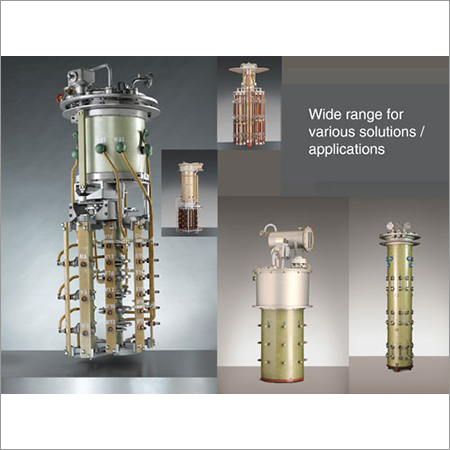
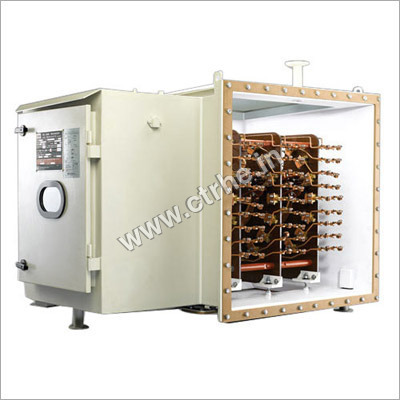
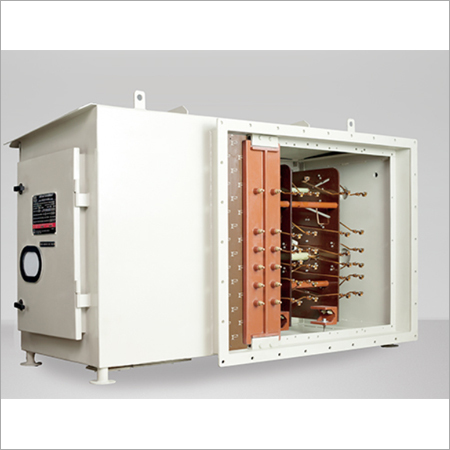
Leveraging on our immense market experience, we have emerged as an eminent manufacturer and supplier of Intank On Load Tap Changers. Our provided tap changer is fitted into the tanks and thus, facilitates their smooth working. The offered tap changer is manufactured with the utilization of fine grade components under the strict direction of experienced professionals. Moreover, the provided Intank On Load Tap Changers are immensely preferable and demanded due to its rugged design and high strength.
Features:
- Simple functionality
- Longer service life
- High operational fluency
Product details
Phase | Three Phase |
Power Rating | 400 Mva |
Brand | CTR |
Efficient Voltage RegulationOur OLTCs provide precise voltage regulation for power and distribution transformers. The motor-operated system, supported by manual override, enables transition between tap positions quickly and securely. This ensures transformer output remains stable, even under dynamic load conditions, optimizing performance and power quality.
Robust Construction and CompatibilityBuilt with copper alloy or stainless steel and finished with epoxy powder coating, our tap changers are designed to endure harsh environments and high humidity. The in-tank assembly is compatible with transformer oil, maintaining excellent insulation and reliability at temperatures from -25C to +90C. The system offers both electrical and mechanical tap position indications for accurate monitoring.
Minimal Maintenance, Maximum ReliabilityEngineered for longevity, our OLTCs require minimal maintenance while ensuring a high degree of operational reliability. Silver-plated contacts and thermally protected components safeguard the system. The design supports over 1 million operations, resulting in lower downtime and reduced total cost of ownership for the user.
FAQs of Intank On Load Tap Changers:
Q: How does the Intank OLTC operate, and what are its main functions?
A: The Intank OLTC operates via a motor-driven mechanism with a manual override, enabling smooth transition between up to 17 tap positions to regulate transformer output voltage continuously. Its core function is to maintain stable voltage levels by adjusting taps under load without power interruption, which optimizes transformer efficiency and system reliability.
Q: What are the benefits of the sealed in-tank design and material selection?
A: The sealed in-tank design, constructed from copper alloy or stainless steel, enhances operational safety, prevents contamination from external elements, and prolongs the devices service life. The use of silver-plated contacts ensures minimal contact resistance and excellent conductivity, contributing to reliable, long-term operation.
Q: When and where can these OLTCs be installed?
A: These OLTCs are suitable for integration into power and distribution transformers rated between 11 kV and 33 kV. Their compact, epoxy-coated assemblies with IP54 protection can be installed internally (in-tank), making them ideal for both indoor and outdoor substations across diverse environments in India.
Q: What is the process for changing tap positions and how is it monitored?
A: Tap changing is controlled remotely or via a panel mount interface using the actuating motor (230V AC/110V AC). The operation completes within 510 seconds per tap. Both electrical and mechanical indicators provide real-time feedback of tap position, allowing for precise control and monitoring.
Q: Why is minimal maintenance required, and what are the key reliability features?
A: The OLTCs high-quality construction, thermally protected contacts, and robust insulation minimize the need for maintenance. Key reliability features include a motor rated for approximately 1 million operations, low power consumption, heavy-duty connectors, and efficient oil-impregnated insulation, ensuring consistent performance with minimal service intervention.
Q: How does short circuit withstand and standards compliance benefit users?
A: The OLTC is built to withstand short circuits as per IEC 60214, which enhances safety and equipment protection during abnormal events. Compliance with IEC and IS standards guarantees quality, interoperability, and long-term reliability, ensuring users get a product that meets Indian and global industry benchmarks.
Q: What are the usage advantages of electrical and mechanical tap position indication?
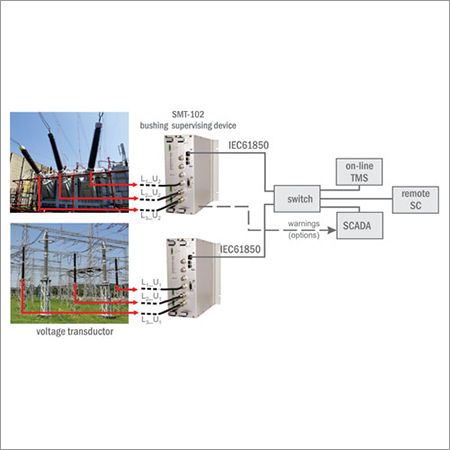
A: The dual indication system provides operational flexibility and redundancy. Electrical indicators are suitable for integration with remote control panels or SCADA systems, while mechanical indicators offer a direct, visual reference on-site, improving maintenance efficiency and reducing the possibility of misoperation.


 Send Inquiry



 Send Email
 Send Inquiry

 Send Inquiry

 Send Inquiry
 Send SMS


